


Emergency Roof Repair Services: Your First-Hour Guide

Table of Contents
What Counts as a Roofing Emergency
Your First-Hour Checklist After Storm Damage
Emergency Roof Leak Repair: What Happens Next
Temporary Roof Tarping and Stabilization
Understanding Emergency Roofing Cost and Budgeting
Filing a Roof Repair Insurance Claim
How to Verify a Trustworthy Emergency Roofing Contractor
Frequently Asked Questions
Last Updated: October 12, 2026
What Counts as a Roofing Emergency
A roofing emergency isn't just any leak or missing shingle. It's damage that threatens your home's structural integrity, interior spaces, or safety within hours, not weeks. Emergency roof repair is urgent intervention needed to prevent water intrusion, collapse risk, or further deterioration.
Common emergencies include active leaks during storms, large sections of missing shingles exposing the roof deck, visible sagging or structural compromise, and damage from fallen trees or severe wind. When water is actively entering your home, your roof has failed its primary function. That requires immediate action.
Not every roof problem is an emergency. A single missing shingle in dry weather, minor granule loss, or a slow leak in one corner can usually wait for a scheduled appointment. But if you're unsure whether your situation qualifies, the safest choice is to call immediately. A professional can assess the risk in minutes and advise whether emergency roof repair services are needed now or can be scheduled within days.
Your First-Hour Checklist After Storm Damage
The first hour after discovering roof damage determines how much water enters your home and how quickly mold begins to develop. Your immediate actions matter more than calling a contractor, though you'll need to do both.
Safety first: Do not climb onto your roof yourself. Do not attempt repairs from a ladder in high winds or rain. Roof work is inherently dangerous, and storm conditions multiply that risk exponentially.
Document everything: Take photos and videos of the damage from the ground and from inside your home if water is entering. Capture wide shots showing the overall damage and close-ups of specific areas.
Stop water entry: If water is actively leaking inside, place buckets under drips and move valuables away from wet areas. Open windows and doors to improve air circulation and reduce humidity.
Check your attic: Look for water stains, active dripping, or soft spots in the ceiling. Mark these locations mentally or with tape so you can show the contractor exactly where water entered.
Locate your insurance documents: Find your homeowner's policy and your agent's contact information. You'll need these details when filing a claim. Write down your policy number and coverage limits.
Call your insurance company: Report the damage within 24 hours. Most policies require prompt notification. Ask about coverage for temporary repairs and emergency services. Document the date and time of your call and the name of the person you spoke with.

Call a roofing contractor: Contact First Class Roofing & Renovations Inc or another licensed, bonded, and insured contractor immediately. Explain that you have active water intrusion and need emergency roof repair services. Ask about same-day or next-morning availability.
Emergency Roof Leak Repair: What Happens Next
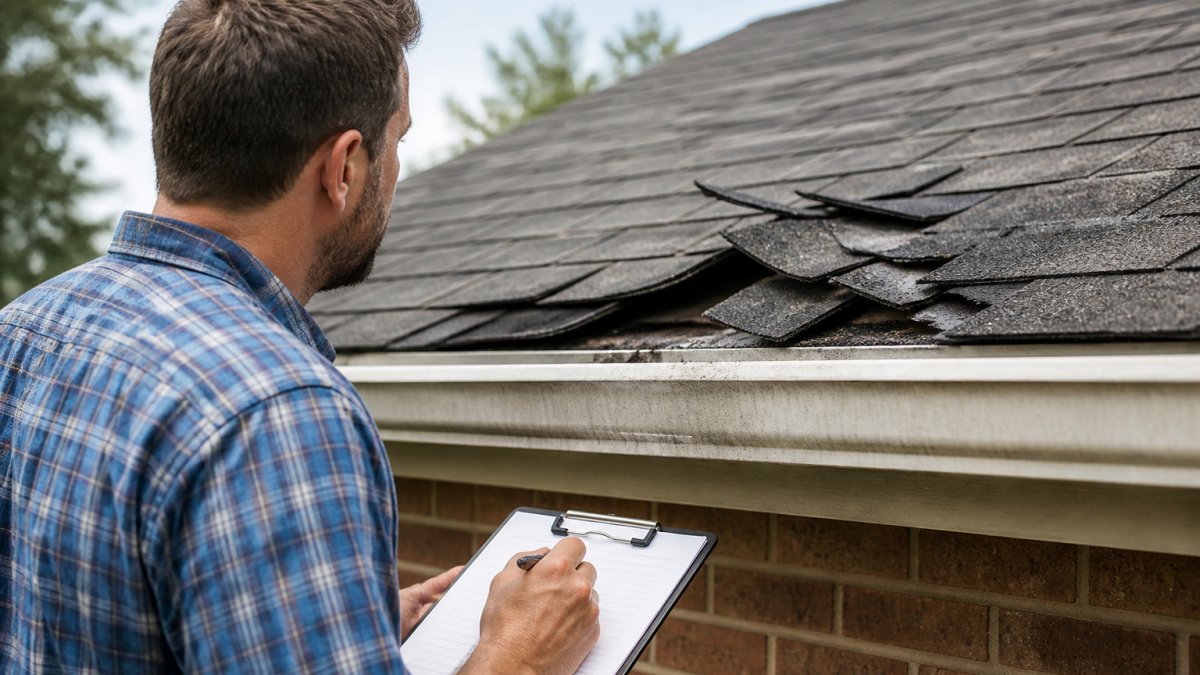
Once a contractor arrives, they'll conduct a rapid damage assessment to determine the cause and extent of the leak. This isn't a full roof inspection, it's a focused evaluation of where water is entering and what temporary measures can stop it immediately.
The contractor will trace the water path from the roof down through your attic and into the living spaces below. Roof leaks often travel along rafters or structural members before dripping into your home, so the entry point on the roof may not align with where water appears inside. Identifying the true source is critical for effective repair.
For emergency roof leak repair, temporary stabilization comes before permanent fixes. The contractor will cover damaged areas with tarps, plywood, or temporary sealant to halt water entry. This buys time for a full assessment and for insurance adjusters to inspect the damage before permanent repairs begin.
If structural damage exists, rotted wood, compromised framing, or sagging, the contractor will flag this immediately. These issues affect repair costs, timeline, and whether roof replacement is necessary rather than repair. Water damage to wood can weaken structural capacity, and that assessment determines the next steps.
The contractor will also identify whether the damage is covered by your insurance. Storm damage typically is covered. Damage from deferred maintenance or poor installation may not be. A professional can help you understand what your policy likely covers before you file a claim.
Temporary Roof Tarping and Stabilization
Temporary roof tarping is the standard emergency response when permanent repair cannot happen immediately. A properly installed tarp prevents further water intrusion and protects your interior while you arrange permanent repair.
The process involves securing heavy-duty tarping material over the damaged section of roof, extending well beyond the damage zone to ensure water cannot run under the edges. The tarp is fastened to the roof deck with battens (wooden strips) and fasteners that create a secure seal without causing additional damage.
A quality temporary tarp installation typically lasts 30-90 days depending on weather conditions and wind exposure. It's not a permanent solution, tarps degrade under UV exposure and can tear in high winds, but it's highly effective at stopping water entry during the repair timeline.
Cost for emergency roof tarping depends on the damaged area size, roof pitch, and accessibility. Most emergency tarping jobs are completed within a few hours. Emergency contractors typically charge a service fee for same-day or after-hours dispatch, plus the cost of materials and labor for the tarp installation.
Temporary tarping also allows insurance adjusters to inspect the underlying damage without weather interference. Adjusters can photograph the damage clearly, assess the cause, and determine coverage while the tarp protects your home.
Pro Tip Temporary tarping is not optional if water is actively entering your home. The cost of a tarp installation is far less than the cost of water damage remediation, mold treatment, or interior restoration. Delaying this step multiplies your total repair expense significantly.
Understanding Emergency Roofing Cost and Budgeting
Emergency roof repair costs vary widely based on damage extent, roof type, accessibility, and local labor rates. Because the research data does not contain specific pricing for First Class Roofing & Renovations Inc's emergency services, we recommend contacting the company directly for a quote. Most contractors provide free estimates and can discuss emergency pricing during your initial call.
Factors that affect emergency roofing costs include the size of the damaged area (measured in square feet), whether the damage is isolated or widespread, roof pitch and complexity, accessibility (single-story versus multi-story), and material type (asphalt shingles, metal, flat roof membrane). Emergency dispatch fees and after-hours labor premiums also apply when service is needed outside standard business hours.
Many homeowners worry that emergency repairs will cost significantly more than standard repairs. In reality, emergency tarping and temporary stabilization often cost less than permanent repair because they're faster and require fewer materials. The goal is to stop water entry quickly, not to fully restore the roof in one visit.
Budget planning should account for both temporary and permanent repair costs. If your insurance covers the damage, your out-of-pocket cost depends on your deductible. Most homeowner policies have deductibles ranging from $500 to $2,500. First Class Roofing & Renovations Inc offers budget-friendly payment plans to help manage costs, and the company can work directly with your insurance company to coordinate coverage.
Key Takeaway Emergency roof repair costs are proportional to damage extent and urgency. Temporary tarping is the most cost-effective first step. Permanent repair can be scheduled after assessment and insurance approval, often at a lower per-unit cost than emergency dispatch rates.
Filing a Roof Repair Insurance Claim
Filing an insurance claim for roof damage requires documentation, timing, and clear communication with your insurer. Most homeowner policies cover storm damage to your roof, but coverage depends on your specific policy language and the damage cause.
Start by notifying your insurance company within 24 hours of discovering the damage. Provide the date the damage occurred, a description of what happened, and photos if you have them. Your insurer will assign an adjuster to inspect the damage and determine coverage.
The adjuster will visit your home to photograph the damage, measure affected areas, and assess whether the damage is covered under your policy. This inspection typically happens within 3-7 days of your claim. Have your contractor's assessment available during this visit, it provides valuable context for the adjuster's evaluation.
Your insurance company will issue a coverage determination and, if approved, provide an estimate for repair costs. This estimate may differ from your contractor's estimate. If there's a significant gap, you can request a second inspection or dispute the estimate. Many contractors work with insurance adjusters regularly and can advocate for appropriate repair costs.
Once your claim is approved, your insurer will typically issue payment in two stages: an initial payment for temporary repairs and materials, and a final payment after permanent repair is complete and verified. Some policies allow the contractor to bill the insurance company directly, reducing your out-of-pocket expense.
First Class Roofing & Renovations Inc has dedicated insurance claim specialists who manage this process on your behalf. They communicate with adjusters, coordinate inspections, and ensure your claim is processed efficiently. This service removes much of the administrative burden from you and increases the likelihood that your claim is approved for full coverage.
How to Verify a Trustworthy Emergency Roofing Contractor
When you need emergency roof repair services, time pressure can push you toward the first available contractor rather than the best one. Resist that urge.
Start by verifying licensing and insurance. Roofing contractors must be licensed to perform structural work. Ask for proof of current licensing, bonding, and liability insurance.
Check for accreditation with the Better Business Bureau (BBB). BBB accreditation indicates the business has met standards for transparency, customer service, and ethical practices.
Ask about the contractor's experience with emergency repair specifically. Some contractors specialize in routine maintenance and may lack experience with rapid response and temporary stabilization.
Request references from recent emergency repair customers. A contractor who has handled emergency work will have customers willing to speak about their experience. Ask those references specifically about response time, professionalism during the emergency, and the quality of temporary repairs.
Verify that the contractor has an in-house team of installers rather than relying on subcontractors.
Ask about insurance claim experience. A contractor with dedicated claim specialists (like First Class Roofing & Renovations Inc) can guide you through the process and work directly with adjusters. This expertise often results in higher claim approvals and faster payment.
Watch Out Avoid contractors who demand full payment upfront, pressure you to sign before you've reviewed the estimate, or refuse to provide references. These are common tactics used by contractors who disappear after taking payment or perform substandard work.
When a storm damages your roof, the first hours determine whether your home stays protected or water begins its destructive work inside. Emergency roof repair services aren't a luxury, they're essential protection for your property and your family's safety.
First Class Roofing & Renovations Inc specializes in rapid emergency response with licensed, bonded, and insured installers who arrive quickly and stabilize your roof immediately.
Get In Touch with First Class Roofing & Renovations Inc today for emergency roof repair services. Our emergency dispatch is available to respond to your roof damage and protect your home when you need it most.
Frequently Asked Questions
What should I do first if my roof starts leaking during a storm?
Move valuables away from the water source immediately, place buckets or tarps to catch drips, and turn off electrical switches near the affected area if safe. Document the damage with photos for your insurance claim. Then contact an emergency roof repair contractor right away. Do not attempt roof work yourself during active weather, wait for conditions to stabilize and let professionals handle it.
How quickly can an emergency roofing contractor respond?
Emergency roofing contractors aim to arrive quickly, depending on weather conditions and their current workload. After-hours emergency response may take slightly longer during severe storms when multiple calls come in simultaneously. When you call, ask for their specific response time and whether they charge extra for after-hours service.
Will my home insurance cover emergency roof repairs?
Most home insurance policies cover roof damage caused by storms, hail, or wind, though coverage depends on your specific policy and the cause of damage. Wear and tear or neglect are typically not covered. Contact your insurer immediately after damage occurs. Many contractors, including those with dedicated insurance claim specialists, can help you navigate the claims process and provide documentation insurers need.
How much does temporary roof tarping cost compared to full repairs?
Temporary roof tarping is generally less expensive than full repairs. Tarping stabilizes your roof immediately, prevents further water intrusion, and buys time for insurance approval and contractor scheduling. For exact pricing on temporary roof tarping or emergency roofing cost estimates, contact a local contractor for a free quote based on your roof size and damage extent.
Get In Touch

Comments