


How Long Does a Roof Replacement Take in Calgary?

Last Updated: November 7, 2026
Quick Summary
For most roof replacement Calgary projects, asphalt-shingle roofs take one to two days of on-site work, though some jobs run up to three days. The full project, from first call to final inspection, usually runs one to three weeks.
On-site installation for most asphalt re-roofs takes one to three days.
The full project timeline runs one to three weeks from signed contract to final walkthrough.
Tear-off on a standard home takes most of a day, and shingling takes one to two days.
Material ordering and delivery adds two to seven days before tear-off begins.
Crews stop work for rain, high wind, cold snaps, and snow that can push start dates by days.
How long will your roof actually take?
We inspect, measure, and give you a written timeline and scope before work starts.
Table of Contents
How Long a Roof Replacement in Calgary Actually Takes
For most roof replacement Calgary projects, asphalt-shingle roofs go on in one to two days of on-site work. But "how long roof replacement takes Calgary homeowners should plan for" is a different question. The full project, from first call to final inspection, usually runs one to three weeks.
The gap between the two numbers is where almost every surprise hides.
Here is what most guides get wrong: they quote installation time and call it the answer. A roof replacement is two timelines stacked on top of each other. Miss that, and you plan your life around the wrong date.
Below, we break down both timelines, what stretches them, and how to prepare.
On-Site Installation Time vs. the Full Roof Replacement Timeline
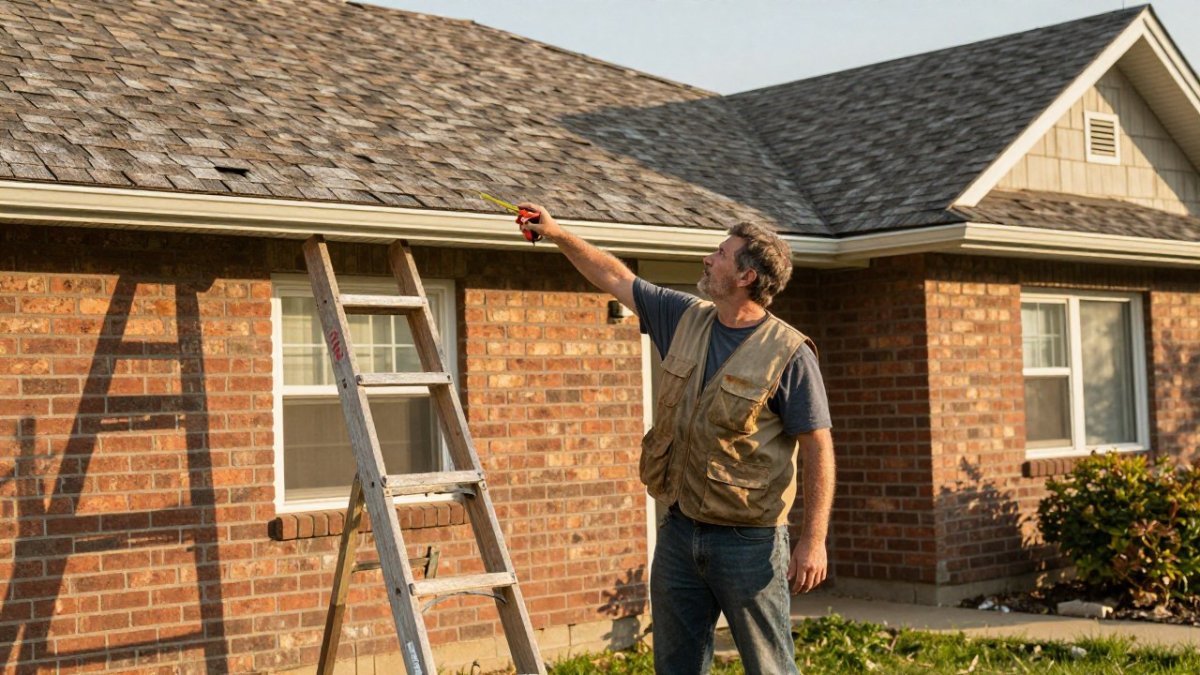
On-site installation for a roof replacement Calgary homeowners schedule is the days the crew spends physically working on your roof. The full roof replacement timeline includes everything else: the estimate, material ordering, scheduling, delivery, and cleanup.
Think of it this way:
On-site duration: one to three days for most asphalt re-roofs
Full project timeline: one to three weeks from signed contract to final walkthrough
A common mistake is booking time off work for the install and then finding the start date shifts because shingles are back-ordered or rain rolls in. The install itself rarely moves. The start date is what moves.
So when you ask how long a roof replacement takes, ask two questions: how many workdays on the roof, and how soon can the crew start. Those are different answers.
Here is how the two timelines compare at a glance.
Timeline | Typical duration | What it covers |
On-site installation | One to three days | Days the crew spends physically working on your roof |
Full project timeline | One to three weeks | Estimate, material ordering, scheduling, delivery, cleanup |
Inspection and estimate | 1 to 3 days | Site visit, roof measurement, written scope |
Material ordering and delivery | 2 to 7 days | Shingle order and delivery before tear-off |
Scheduling and permits | 1 to 5 days | Crew availability and required permits or inspections |
Final inspection and sign-off | Same day to 2 days | Walkthrough with you plus any touch-ups |
Step-by-Step Through the Roof Replacement Process
The sequence below is a general template for a standard asphalt-shingle roof on a single-family home. Treat it as a planning aid, not a promise: crew size, roof layout, and weather shift the timing from job to job.

Before Installation Day: The Full Project Timeline
On-site work is only part of the story. The full project timeline from signed contract to final walkthrough usually runs one to three weeks, and most of that is not time on your roof.
Inspection and estimate (1 to 3 days): A site visit, roof measurement, and written scope. Busy seasons can push this out a few days.
Material ordering and delivery (2 to 7 days): Asphalt shingles are often in stock, but specialty colors, metal panels, and custom flashing can be back-ordered. Delivery is usually scheduled for the day before or the morning of tear-off.
Scheduling and permits (1 to 5 days): Crew availability and any required permits or inspections set the start date. This is the step most likely to move.
Installation (1 to 3 on-site days): The work described below.
Final inspection and sign-off (same day to 2 days): A walkthrough with you, plus any touch-ups.
When you ask how long a roof replacement takes, ask two questions: how many workdays on the roof, and how soon can the crew start.
A Realistic Day-by-Day Sequence
Watch out: if the crew finds rotted decking on Day 1 afternoon, the schedule can slip by a day or more, and you should expect a written change order before repairs proceed.
What Changes the Sequence
Roof size: Square footage drives crew hours directly. A large home with many roof slopes takes longer than a simple gable.
Pitch and complexity: Steep pitch slows every step for safety. Valleys, dormers, and multiple slopes mean more cutting and fitting.
Material: Asphalt shingles install fast. Metal and other roofing materials take longer and often need specialized crews. If you are still weighing options, our comparison of metal roof vs shingles covers how each material affects both lifespan and install time.
Weather: Rain, wind, and cold can stop work mid-sequence. The weather section below explains how crews decide.
Tear-Off, Decking Inspection, and Repairs
Tear-off is the first real work on site. The crew removes old shingles, underlayment, and flashing, then hauls the debris to a bin. For a standard home, tear-off takes most of a day.
Then comes the roof inspection. We walk the exposed roof deck and check for soft spots, rot, and damaged boards. This is the moment hidden problems surface. Minor decking repairs add a few hours. Serious rot can add a day or more.
Underlayment, Flashing, Shingles, and Cleanup
Once the deck is sound, the crew lays underlayment, sets flashing around vents and chimneys, and installs the asphalt shingles. Ventilation work happens here too. Shingling a standard roof takes one to two days.
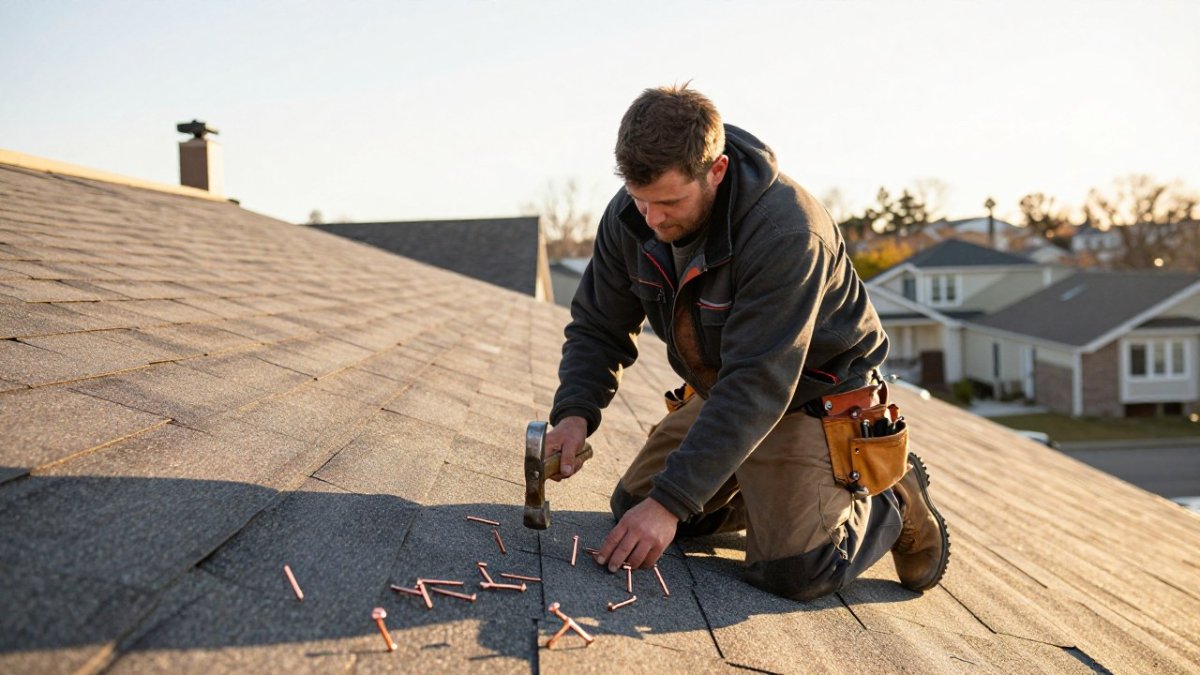
Cleanup matters as much as the install. A good crew does a nail sweep of the yard and driveway, removes all debris, and walks the site with you. Ask for a final inspection before anyone leaves. Nails in the grass are a real hazard for kids and pets.
What Stretches the Schedule: Size, Pitch, and Roof Complexity
Roof size is the biggest factor. A single-family home with a simple gable roof goes faster than a large home with many roof slopes. Square footage drives crew hours directly.
Pitch and complexity come next. A steep roof pitch slows every step because crews work slower and safer. Valleys, dormers, and multiple roof slopes mean more cutting and fitting. Each one adds time.
Material choice matters too. Asphalt shingles install fast. Metal and other roofing materials take longer and often need specialized crews. If you are still weighing options, our comparison of metal roof vs shingles covers how each material affects both lifespan and install time.
How Roof Replacement Weather Delays Work in Calgary
Weather is the wild card in any roof replacement timeline. Wind, rain, and snow all stop work, and temperature affects how shingles seal. The useful question is not whether weather delays happen but how a crew decides what is safe, what is temporary, and what waits.
A Practical Weather Decision Guide
Rain: Crews stop. A wet deck cannot be shingled safely, and trapped moisture under new shingles causes problems later. Light drizzle may allow tear-off to continue under temporary tarps, but shingling waits for a dry deck. If rain is forecast mid-job, a good crew covers the exposed deck with underlayment or tarps before leaving for the day.
High wind: Crews stop. Lifting and placing shingles in wind is dangerous, and loose materials can become projectiles. Wind also makes fall protection less reliable. Expect a pause until gusts drop.
Cold snaps: Asphalt shingles get brittle in cold and may not seal properly. Many crews pause shingling when temperatures fall near or below freezing, or they use hand-sealing and extra care. This is a common reason late-fall jobs stretch.
Snow: Tear-off and install wait until the roof is clear. Snow also hides deck damage, so the inspection happens after clearing. A snow-covered roof can push a start date by days. If hail hits after installation, document it before the crew leaves.
Sudden temperature swings: A warm afternoon followed by a cold night can affect sealing. Crews watch the forecast across the whole install window, not just the start day.
How Crews Decide to Start, Pause, or Protect
The decision usually comes down to three questions: Is the deck dry enough to shingle? Is the wind low enough to work safely? Will the material seal at the expected temperature? If any answer is no, the crew either pauses or switches to work that can be done safely, such as tear-off under tarps or staging materials.
Temporary protection matters. When work stops mid-job, the exposed deck should be covered so rain or snow does not reach the interior. Ask any contractor how they handle weather delays, whether they build buffer days into the schedule, and what temporary protection they use.
For official weather alerts, check Environment and Climate Change Canada before your install week.
Your Roof Replacement Preparation Checklist
Homeowner preparation shortens disruption and protects your property. Use this roof replacement preparation checklist before the crew arrives:
Clear the driveway and move vehicles
Move patio furniture and planters away from the walls
Cover attic items stored under the roof deck
Trim tree branches near the roof
Keep kids and pets inside during tear-off
Note any interior leaks or stains to show the crew
Confirm the start date and expected workdays
Expect noise. Tear-off is loud, and debris removal adds traffic.
When Hidden Damage Is Found: How Timelines Change
Hidden damage is the one thing that can genuinely move your completion date. When tear-off exposes rotted decking or failed flashing, the crew must repair it before installing new shingles.
What happens next:
The crew documents the damage with photos.
You get a written change order before work continues.
Repairs are completed, then the install resumes.
Small fixes add hours. Structural repairs can add days.
If the damage ties to a storm, it may fall under an insurance claim. Our guide on how to navigate a roof insurance claim step by step walks through the process.
Book Your Roof Replacement Assessment
Our team is licensed, bonded, and insured, and we offer budget-friendly payment plans.
Ready to schedule? Read our walkthrough on getting a free residential roof estimate so you know exactly what to expect. Before you sign with anyone, learn how to vet a construction contractor properly. Then give us a call to book your assessment.
How long your roof takes comes down to the roof, the weather, and the crew you hire. First Class Roofing & Renovations Inc brings over 30 years of experience, an in-house team of installers, and an in-house insurance claim specialist to every job.
Frequently Asked Questions
Can a roof be replaced in one day?
Rarely. Most asphalt-shingle re-roofs on a single-family home take one to three days on site, and a one-day finish only happens on small, simple roofs with a full crew, good weather, and no hidden damage. Add tear-off, decking repairs, and inspection time and the realistic window is two to three days for a standard home. Treat any one-day promise as a best case, not a plan.
Does weather affect the roof replacement schedule?
Yes, and in Calgary it is the most common cause of delay. Rain, snow, and high wind stop tear-off and shingle installation because an open deck cannot be left exposed. Cold temperatures also affect sealant and shingle adhesion, so crews may schedule around them.
What should I do before the roofing crew arrives?
Move vehicles off the driveway, clear the garage and patio of anything under the work zone, and take down fragile items from walls inside the home since tear-off vibrates the structure. Trim back branches, note where downspouts and outdoor fixtures sit, and keep pets and children indoors during work hours. Confirm the start time, expected duration, and bin placement with your contractor the day before.
How can I confirm the roof replacement is complete?
Walk the property with the crew lead and check three things: a full magnetic nail sweep of the lawn and driveway, debris removal including the bin, and a final inspection of flashing, vents, and ridge lines. Ask for photos of the decking and underlayment taken during the job. Get the written workmanship warranty and any permit documentation before you make the final payment.

Comments