


Get a Free Residential Roof Estimate: Step-by-Step Guide

Last Updated: October 23, 2026
Quick Summary
A free roof estimate is straightforward to obtain by contacting a roofing contractor with basic property information, roof condition details, and photos. Getting a quality free roof estimate depends on your preparation, including gathering your property address, roof age, approximate square footage, and documentation of any visible damage or recent storm impact.
Gather property address, roof age, home square footage, and roof style before calling for your free roof estimate
Document roof condition with ground-level photos of damage, missing shingles, leaks, or storm damage
A professional free roof estimate should include roof measurements in squares, itemized material and labor costs, project scope, and timeline
Request estimates from at least three contractors to compare pricing and identify outliers
Most residential roof replacements take 1-3 days depending on size and complexity
Table of Contents
How to Request a Free Residential Roof Estimate
Roofing Estimate Checklist: What to Prepare Before You Call
Step 1: Gather What the Contractor Needs
Step 2: Document Roof Condition and Visible Damage
Step 3: Know Your Roof Type and Age
Step 4: Ask These Questions Before You Book
Questions to Ask a Roofing Contractor During Your Estimate
What a Free Roof Estimate Should Include
Roof Measurements and Area Calculations
Material List and Labor Cost Breakdown
Project Scope and Timeline
Compare Roofing Quotes on an Apples-to-Apples Basis
Getting an Online Roof Estimate by Address
How Remote Estimates Are Produced
What Aerial Estimates Cannot See
Sharing Photos and Address Data Safely
When to Skip the Online Estimate
Free Estimates, Limitations, and What to Watch For
Insurance Claims and Storm-Damage Estimates
Frequently Asked Questions
How to Request a Free Residential Roof Estimate
Getting a free roof estimate is straightforward, but its quality depends on your preparation.
Most homeowners call without knowing what contractors need upfront, which leads to vague estimates or callbacks. The best estimates come when you've done your homework first.
At First Class Roofing & Renovations Inc, we've handled thousands of estimate requests. The fastest to approval are those where homeowners gathered basic information about their property, roof condition, and goals first.
Roofing Estimate Checklist: What to Prepare Before You Call
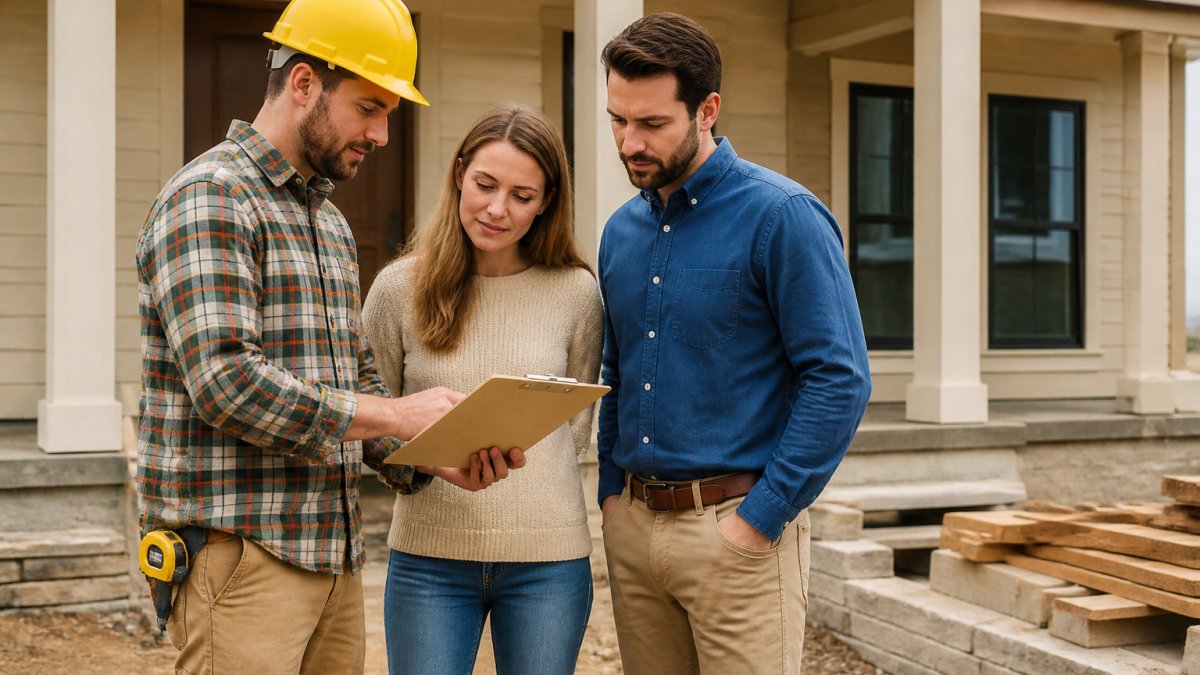
Before you reach out to a roofing contractor, gather these key details so they can provide accurate quotes and timelines without follow-up calls.
Step 1: Gather What the Contractor Needs
Start with the fundamentals: property address, year built, and current roof age. If you know your roof was installed in 2015, say so.
Have property dimensions available if possible. Exact measurements aren't needed, but knowing whether your home is roughly 1,500 or 3,000 square feet helps.
Know your roof style: single-story ranch, two-story colonial, or split-level.
Collect these items in one folder or note before you call:
Property address and year built
Approximate roof age and material (asphalt shingles, metal, architectural shingles, or unknown)
Approximate home footprint in square feet, if known
Roof style and number of stories
Any known leaks, stains, or sagging
Recent storm dates and damage notes
Photos taken safely from the ground
Your budget range and target start date

Step 2: Document Roof Condition and Visible Damage
Walk around your property and look at your roof from the ground.
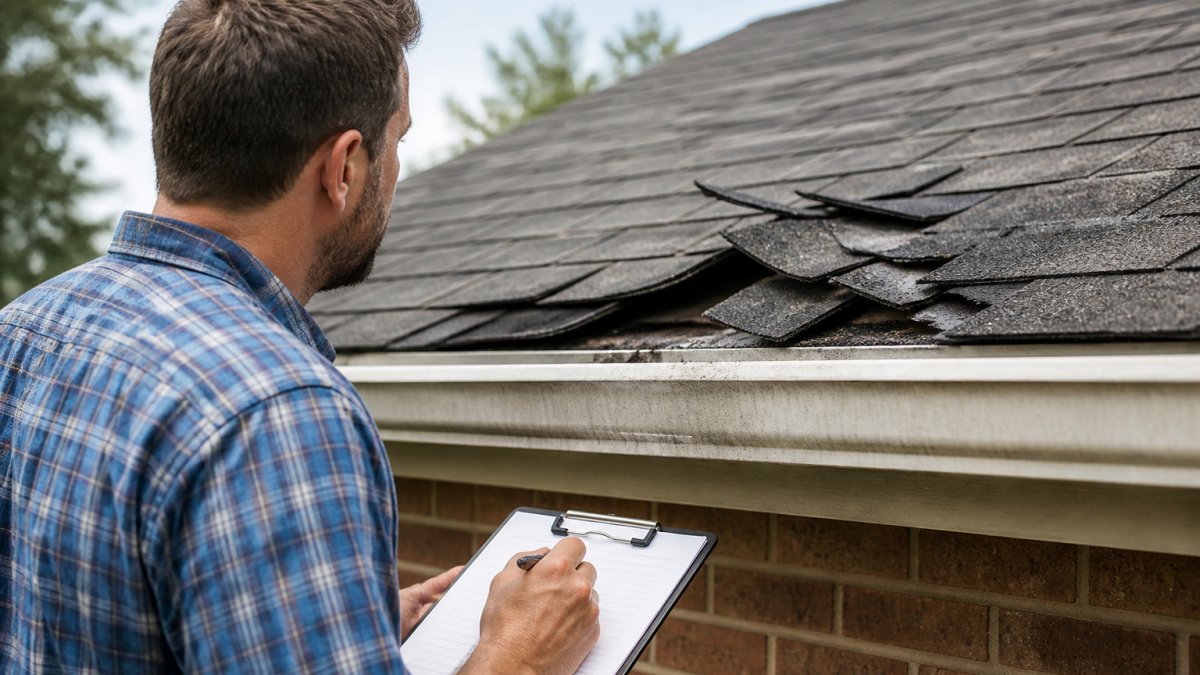
If you've had recent storm damage, hail, wind, or fallen branches, document it with photos from the ground.
Check your gutters and downspouts for clogs, damage, or pulling away from the house.
When you submit photos or details online, share only what the estimate requires.
Step 3: Know Your Roof Type and Age
Different roofing materials have different lifespans and price points. Common options include asphalt shingles, metal roofing, and architectural shingles. If you know your material, mention it; if not, describe what it looks like: flat sheets, dimensional shingles, or metal panels.
Roof age matters significantly. Most asphalt shingle roofs last 15-25 years; if yours is approaching that range, you may be looking at replacement rather than repair (Resources).
Step 4: Ask These Questions Before You Book
Before you schedule an on-site visit, ask the contractor a short set of screening questions by phone or email to filter out contractors who are not a fit:
Is the estimate free, and is an on-site inspection required or optional?
Will I receive a written, itemized estimate, and how long is it valid?
Are you licensed and insured, and can you send proof before the visit?
Do you handle permits and disposal of old materials?
What is your typical response time and scheduling window?
Do you work with insurance claims, and who coordinates with the adjuster?
Homeowners who ask these questions upfront get more consistent written estimates and fewer surprise callbacks. Keep the answers with your photos and property notes so you can compare contractors on the same criteria later.
Questions to Ask a Roofing Contractor During Your Estimate
When the contractor arrives for your free roof estimate, ask these questions to understand scope and avoid surprises.
First, ask what the estimate includes: materials, labor, permits, and disposal of old materials?
Ask about the roofing materials they recommend and why.
Ask about insurance and licensing.
Finally, ask about warranty coverage. What does the manufacturer guarantee on materials?
What a Free Roof Estimate Should Include
A professional free roof estimate isn't just a number. It should be detailed enough to compare fairly against other quotes.
Roof Measurements and Area Calculations
The contractor should measure or calculate your roof area. This determines material quantities and labor hours. Roof area isn't the same as your home's square footage, a pitched roof covers more area than a single-story rectangle.
The estimate should state the total roof area in square feet or squares (one roofing square equals 100 square feet). This number is critical because roofing materials are priced per square.
Material List and Labor Cost Breakdown
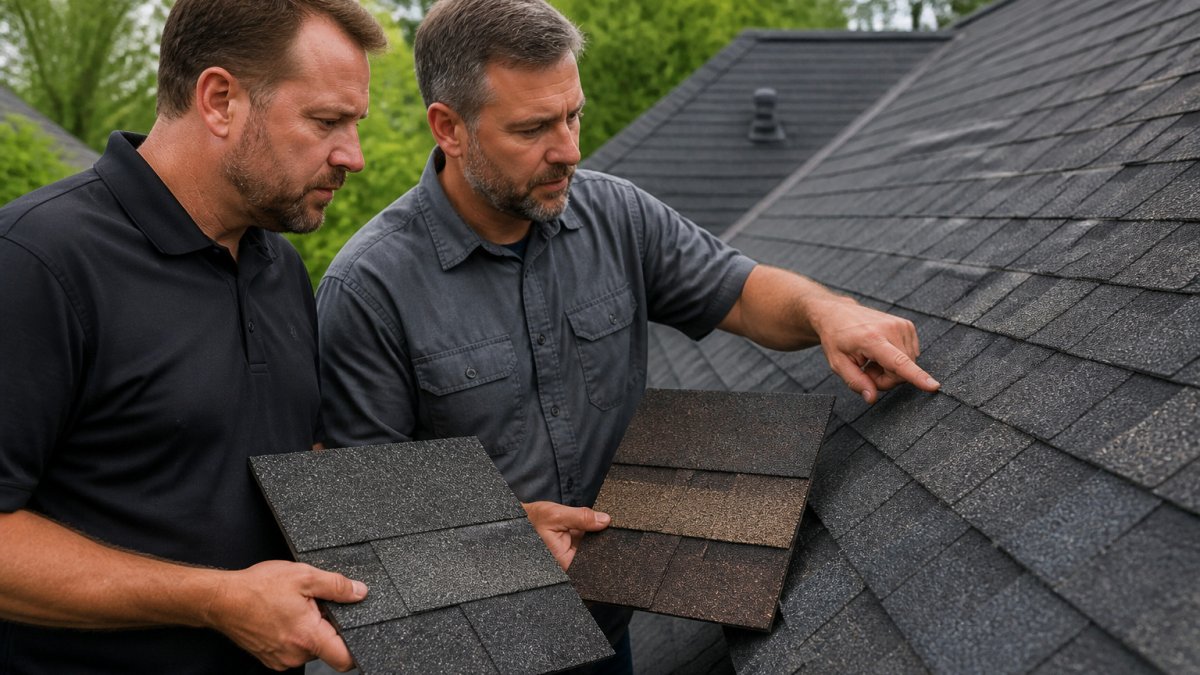
A quality free roof estimate lists specific materials: shingle type and color, underlayment, flashing, ridge vent, edge metal, and any other components. It should show the cost for materials separately from labor costs.
Labor costs vary by roof complexity, pitch, and local market rates. A steep pitched roof costs more to labor than a low-slope roof due to safety requirements and working speed, and the estimate should explain the pricing.
Project Scope and Timeline
The estimate should clearly state what work is included. Is this a full replacement, or repairs to specific areas? Are gutters included? What about disposal of old roofing materials?
Most residential roof replacements take 1-3 days depending on size and complexity. The estimate should give a realistic timeframe and note conditions that might extend it, such as bad weather or structural issues found during work.
Compare Roofing Quotes on an Apples-to-Apples Basis
Once you have multiple free roof estimates, comparing them properly prevents costly mistakes.
If prices vary significantly, find out why: premium versus standard materials, different labor rates, or one including work the others aren't?
Watch for estimates that seem too low. Significantly underpriced quotes often indicate the contractor underestimated the scope or plans to cut corners.
Ask each contractor for references from recent roof projects.
Getting an Online Roof Estimate by Address
Many contractors now offer online roof estimates using satellite imagery and property data. These remote estimates can give you a ballpark figure without scheduling an in-person visit, but they work differently from an on-site inspection and have clear limits.
How Remote Estimates Are Produced
Online tools pull aerial or satellite imagery for your address and use it to trace roof outlines, count facets, and estimate roof area.
A remote estimate is useful for initial comparison shopping, helping you narrow down contractors and get rough price ranges quickly. It is not a substitute for a contractor walking the roof or inspecting the attic.
What Aerial Estimates Cannot See
Satellite and aerial imagery can miss several things that change the final price:
Roof condition, including granule loss, curling shingles, or soft spots
Hidden damage under shingles, such as rotten decking or failed flashing
Chimneys, skylights, and unusual angles that add labor
Number of existing layers and the cost to tear them off
Ventilation and insulation problems in the attic
Gutter condition and downspout routing
Because of these limits, treat a remote estimate as a starting range. Before committing to any project, insist on an in-home or on-site inspection, when contractors identify structural issues, verify measurements, and provide truly accurate quotes.
Sharing Photos and Address Data Safely
Remote estimates often require photos and your property address. A few practical habits reduce risk:
Use the contractor's secure upload form rather than texting photos to a personal number
Crop or avoid people, license plates, and interior views in photos
Ask how long the company keeps your photos and address, and whether it shares data with third parties
Confirm the company is licensed and insured before sharing detailed property information
Be cautious of unsolicited messages asking for photos or payment before any inspection
Legitimate contractors explain what the remote estimate includes, how long it is valid, and when an on-site visit is required. If a company will not answer those questions, treat the online estimate as marketing rather than a quote.
When to Skip the Online Estimate
If your roof is older, has visible damage, or you plan to file an insurance claim, go straight to an on-site inspection. Remote tools are weakest exactly when accuracy matters most: storm damage, active leaks, and roofs near the end of their service life.
Free Estimates, Limitations, and What to Watch For
Free roof estimates are genuinely free, no obligation, no sales pressure required. But understand what contractors expect in return for their time.
Many contractors use the estimate visit as a sales opportunity, explaining their company's strengths, showing past work, and discussing financing. What crosses the line is high-pressure tactics: claiming your roof is an emergency, pushing you to decide immediately, or dismissing your cost concerns.
Be cautious of contractors who won't provide written estimates. A verbal quote is worthless if disputes arise later.
Understand that free estimates don't lock in pricing.
Also recognize that free estimates are limited by what contractors can see.
Insurance Claims and Storm-Damage Estimates
If your roof damage is storm-related, your homeowner's insurance may cover replacement or repairs.
After storm damage, contact your insurance company promptly.
The adjuster's assessment and the contractor's estimate might differ slightly.
First Class Roofing & Renovations Inc includes dedicated insurance claim specialists on our team.
Getting a free residential roof estimate is the essential first step toward understanding your roofing project.
Step | What to Prepare | Why It Matters |
Before calling | Property address, roof age, basic dimensions | Helps contractor provide accurate initial quote |
Documentation | Photos of damage, roof condition notes | Enables remote assessment and faster estimates |
During estimate | List of questions about materials, warranty, timeline | Ensures you understand full scope and costs |
After receiving | Written estimates from multiple contractors | Allows fair comparison and informed decision |
Before approval | Reference checks, insurance verification | Confirms contractor reliability and credentials |
Pro Tip Request estimates from at least three contractors. This gives you price comparison and helps identify outliers, either suspiciously low bids or premium pricing that may not be justified.
Watch Out Watch for contractors who pressure you to decide immediately or claim your roof is an emergency without thorough inspection. Legitimate contractors respect your timeline and provide detailed written estimates before asking for commitment.
Frequently Asked Questions
How do I get a free residential roof estimate?
Contact a licensed roofing contractor and request a free estimate. Have your property address, roof type, and any visible damage details ready. Most contractors offer free in-home or on-site inspections where they'll measure your roof, assess its condition, and provide a written estimate. You can also submit photos and basic information online for a remote estimate, though an in-person inspection is typically more accurate for the final project estimate.
What information do I need to provide for a roofing estimate checklist?
Gather your property address, roof age (if known), roof type (asphalt shingles, metal, etc.), any visible damage or previous repairs, and photos of problem areas. Have details about your home's square footage and roof pitch available if possible. If your damage is tied to an insurance claim, have your claim number and documentation ready. This preparation speeds up the estimate process and helps the contractor give you an accurate roofing quote.
Can I get a roof estimate online by address?
Yes, many contractors offer remote estimates using satellite imagery and the information you provide about your roof. You submit your address, roof details, and photos, and they generate an initial estimate. However, remote estimates have limitations, they cannot detect interior damage, assess ventilation or flashing condition, or account for structural issues. An in-home or on-site inspection is recommended for accuracy before you commit to a roofing project.
How do I compare roofing quotes from different contractors?
Request written estimates from at least two contractors that include the same scope: roof measurements, materials list, labor costs, project timeline, and warranty details. Ensure all quotes specify the same roofing materials and work scope so you're comparing apples to apples. Ask each contractor the same questions about their process, insurance, and guarantees. Don't choose based on price alone, verify that the contractor is licensed, bonded, and insured, and check their track record for reliability and quality.
Get In Touch
Add firstclassrenos.com as a preferred source on Google →

Comments