


How to Handle Insurance Claim Damage: Step-by-Step

Table of Contents
What to Do Immediately After Damage Occurs
Prioritize safety and prevent further loss
Document everything with photos and notes
What to Do After Storm Damage to Roof
Assess visible damage and temporary protection
Hire a professional to inspect for hidden damage
Notify Your Insurer and Report the Claim
Contact your insurance company promptly
Provide accurate incident details and claim information
Insurance Claim Documentation Checklist
Evidence and supporting documents to gather
Photos, receipts, and witness statements
The Insurance Adjuster Roof Inspection Process
What happens during the assessment
How to prepare and what questions to ask
Filing Your Insurance Claim and Receiving Settlement
Complete the claim form accurately
Understanding deductibles and actual cash value
What to Do If an Insurance Claim Is Denied or Underpaid
Review the denial letter and understand the reason
File a complaint or appeal with your insurer
Contact the ombudsman or dispute resolution service
Choosing Contractors and Managing Emergency Repairs
What to do before repairs begin
Key Steps to Remember
Frequently Asked Questions
Last Updated: October 18, 2026
What to Do Immediately After Damage Occurs
The first hours after damage happens are critical. The difference between a successful insurance claim damage process and a frustrating one often comes down to what you do in those first 24 hours.

Prioritize safety and prevent further loss
Your safety comes first. If the damage is severe, leave the property and call emergency services. Do not enter areas with exposed electrical wires, unstable structures, or falling debris.
Once it's safe, prevent additional damage:
Turn off water at the main valve if there's water damage
Move valuables away from wet areas
Cover holes or broken windows with tarps or plywood
Do not throw away damaged materials yet, your adjuster needs to see them
Document these emergency actions with photos and receipts for any temporary fixes. Your insurer will want to know you acted responsibly to minimize loss.
Document everything with photos and notes
Photography is your strongest evidence.
Document the date and time, and include reference objects for scale, like a ruler or coin in close-ups.
Write down what happened: the date, time, weather conditions, and exactly what occurred, plus any injuries or immediate concerns.
Store photos and notes in at least two places: cloud storage and email them to yourself.
What to Do After Storm Damage to Roof
Storm damage to your roof demands quick action. Wind, hail, and heavy rain can compromise your roof's protection, and the sooner you assess and repair damage, the better you prevent secondary issues like water intrusion.
Assess visible damage and temporary protection
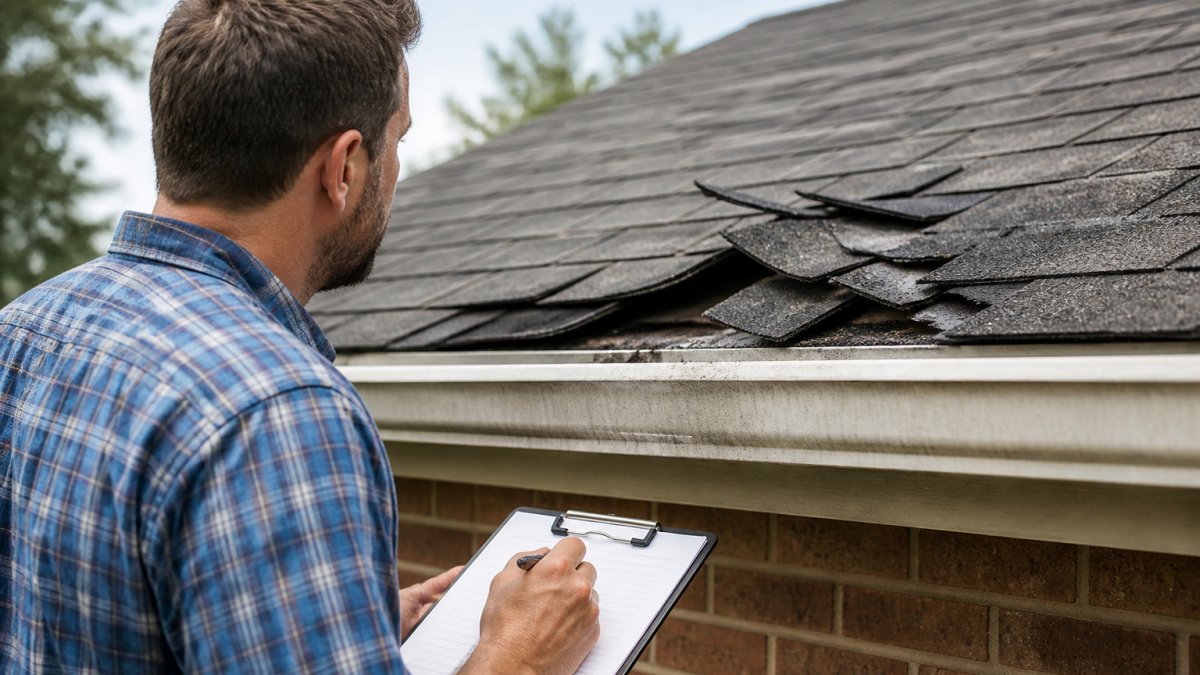
From the ground, look for missing shingles, dents, sagging areas, or debris in gutters. Do not climb onto your roof yourself, this is dangerous and unnecessary at this stage.
If you see clear damage, document it with photos, then contact your insurance company to report it and schedule a claim inspection. Many policies cover emergency repairs to prevent further loss, so ask your adjuster.
For temporary protection, you can:
Place tarps over damaged areas
Clear gutters and downspouts to allow water to drain
Move items away from interior leaks
Use buckets to catch dripping water
Keep all receipts for temporary repairs. These are often covered under your policy's emergency mitigation clause.
Hire a professional to inspect for hidden damage
Professional roofers can identify damage you cannot see from the ground.
Schedule an inspection with a licensed roofing contractor, many of whom offer free estimates, and ask for findings in writing.
Your adjuster will also inspect the roof. Having a contractor's report gives you a second professional opinion and protects your interests if the insurance company's assessment seems low.
Notify Your Insurer and Report the Claim
Timing matters. Most policies require notification within a specific timeframe, often 30 to 90 days, so report the damage promptly to avoid delays or claim denial (Making an insurance claim).
Contact your insurance company promptly
Call your insurance company as soon as damage occurs with your policy number ready.
Ask for:
Your claim number
The name and contact information of your assigned adjuster
The claims process timeline
What documentation you need to provide
Whether emergency repairs are covered
Write down all this information for reference throughout your claim.
Many insurers offer online claim reporting, which creates a time-stamped record of your notification and protects you if there's a dispute about when you reported the damage.
Provide accurate incident details and claim information
When reporting, stick to the facts without exaggeration or speculation. If you do not know something, say so rather than guessing.
Provide:
Date and time of the incident
Weather conditions (wind speed, hail size, heavy rain)
Location of damage (roof, siding, windows, interior)
Extent of damage (partial or total loss)
Any injuries or immediate safety concerns
Accuracy matters. False or exaggerated claims can result in denial or fraud investigation. Stick to what you observed and documented.
Insurance Claim Documentation Checklist
Your insurance claim damage settlement depends on your evidence. The more thorough your documentation, the stronger your position in any dispute about coverage or payment.
Evidence and supporting documents to gather
Collect these documents before your adjuster arrives:
Original receipts or invoices for items that were damaged
Bank statements or credit card records showing purchase dates and amounts
Proof of ownership: warranties, product manuals, or photos from before the damage
Maintenance records showing the property was well-maintained
Written estimates from contractors for repairs or replacement
Organize documents in a digital or physical folder, labeled clearly with dates and descriptions.
Photos, receipts, and witness statements
Your photographic evidence is critical. Include:
Wide-angle photos showing the overall damage
Close-up photos of specific damaged items
Photos showing the date and time stamp
Photos of the surrounding area for context
Before-and-after comparisons if you have pre-damage photos
Gather receipts for all damaged items; without originals, credit card statements, bank records, or warranty documents serve as proof of purchase.
If anyone witnessed the damage or its cause, get a written statement with their name, contact information, and what they saw. Witness statements add credibility to your claim.
The Insurance Adjuster Roof Inspection Process
Your adjuster's inspection determines the insurance claim damage settlement amount. Understanding what happens during this process helps you prepare and protect your interests.
What happens during the assessment
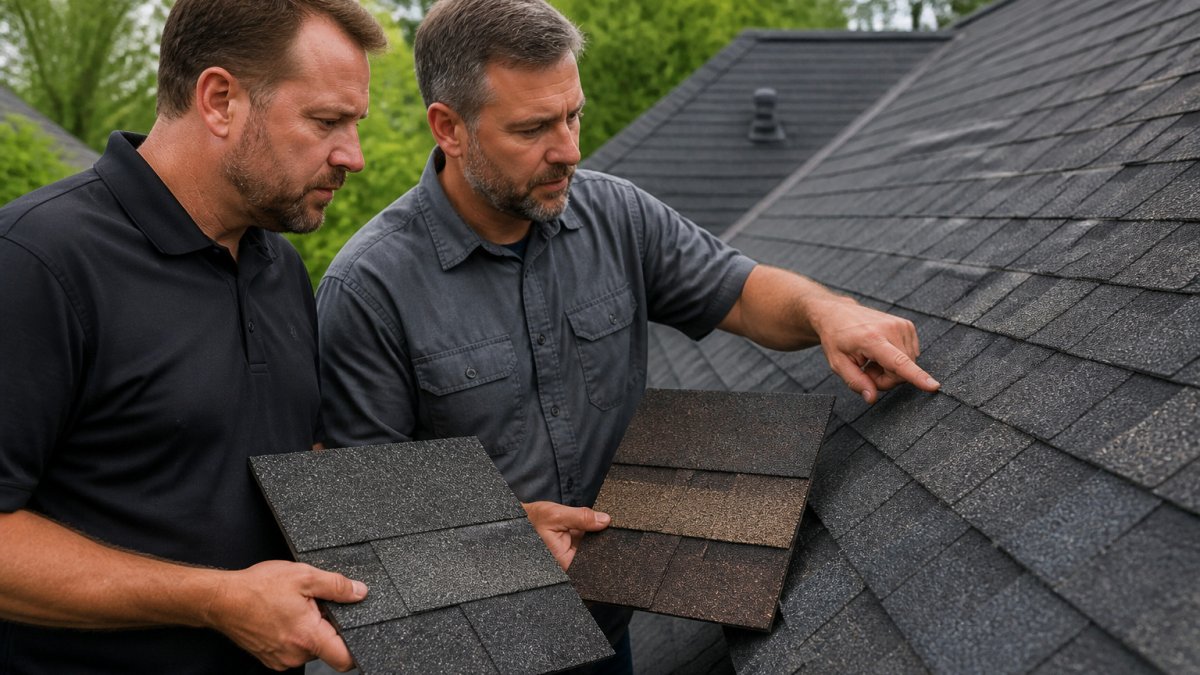
The adjuster will inspect the roof, take photos, document damage, measure the extent of loss, and compare findings to your policy coverage.
The inspection typically takes 1 to 2 hours, depending on roof size and damage extent.
After the inspection, the adjuster prepares a report with their assessment, photos, and repair cost estimate.
How to prepare and what questions to ask
Before the inspection, walk the adjuster through the damage, point out all affected areas, and provide your documentation, photos, and contractor estimates.
Ask these questions during or after the inspection:
What specific damage did you identify?
Are there any areas of concern or questions about coverage?
What is the estimated repair cost?
Will the settlement cover full replacement or actual cash value?
How long until you issue the settlement?
Request a copy of the adjuster's report and photos. This documentation is yours to keep and may be needed if you dispute the settlement.
Filing Your Insurance Claim and Receiving Settlement
Once the adjuster completes the inspection, the formal claims process moves forward. You will receive a settlement offer based on the adjuster's assessment and your policy coverage.
Complete the claim form accurately
Your insurance company will provide a claim form. Fill it out completely and accurately. Include:
Your policy number and claim number
Description of the incident and damage
Date of loss
List of damaged items or areas
Estimated repair or replacement costs
Double-check all information before submitting. Errors or incomplete forms delay processing.
Submit the form along with all supporting documents. Keep copies for your records. Ask for confirmation that the insurer received everything.
Understanding deductibles and actual cash value
Your deductible is the amount you pay out of pocket before insurance coverage kicks in.
Actual cash value (ACV) is what your damaged property is worth today, accounting for age and wear.
Review your policy to understand which type of coverage you have.
Settlement timelines vary.
What to Do If an Insurance Claim Is Denied or Underpaid
Not every claim is approved, and not every settlement feels fair. If your insurance company denies your claim or offers less than you expected, you have options.
Review the denial letter and understand the reason
Read the denial letter carefully. Insurance companies must explain why they denied your claim. Common reasons include:
The damage is not covered under your policy
You did not report the damage within the required timeframe
The damage resulted from a non-covered cause (like poor maintenance)
The damage existed before your policy started
You failed to provide required documentation
Understand the specific reason for denial. This determines your next steps.
File a complaint or appeal with your insurer
Most insurance companies have an appeal process. Contact your insurer and ask how to file a formal appeal. Provide additional documentation or evidence that supports your claim.
If your initial adjuster's assessment seems wrong, request a second opinion.
Contact the ombudsman or dispute resolution service
If the insurer denies your appeal or you remain unsatisfied, contact the Financial Consumer Agency of Canada for dispute resolution guidance.
These services are free and independent. They can investigate your complaint and pressure the insurer to reconsider or explain their decision.
Document everything: dates of calls, names of representatives, what was discussed, and what was promised.
Choosing Contractors and Managing Emergency Repairs
Once your claim is approved, you will need contractors to repair or replace damaged areas. Choosing the right contractor and managing the repair process protects your investment and ensures quality work.
What to do before repairs begin
Get multiple estimates from licensed, insured contractors.
Inform your insurance company about your chosen contractor.
Before work starts, sign a written contract that includes:
Scope of work (exactly what will be repaired or replaced)
Total cost and payment schedule
Start and completion dates
Warranty details
Insurance and licensing information
Do not pay the full amount upfront.
Your insurance company may issue payment directly to the contractor or to you.
First Class Roofing & Renovations Inc brings over 30 years of expertise.
Key Steps to Remember
Managing an insurance claim damage process requires organization, documentation, and persistence. Here is what matters most:
Report damage to your insurer immediately, do not wait
Document everything with photos, receipts, and written notes
Prevent further damage with temporary fixes
Provide complete and accurate information to your adjuster
Keep copies of all correspondence and documentation
The insurance claim damage process can feel overwhelming, but it follows a clear path when you stay organized and informed. Your documentation and communication are your strongest tools.
Frequently Asked Questions
What should I do first after discovering property damage?
Ensure safety first, evacuate if necessary and avoid hazardous areas. Prevent further damage by covering broken windows or tarping roof damage if safe to do so. Document all damage with photos and written notes before touching anything. Contact your insurance company within 24-48 hours to report the incident. Keep receipts for any emergency repairs or supplies you purchase. Your prompt action and documentation strengthen your insurance claim damage case.
What documents do I need for an insurance claim?
Create an insurance claim documentation checklist that includes: photos and videos of all damage from multiple angles, your original policy documents, a written description of what happened, receipts for emergency repairs or temporary fixes, repair estimates from contractors, proof of ownership (receipts, bank statements, or proof of purchase), witness contact information if applicable, and any police or incident reports. Organize these documents chronologically and keep copies for your records. Your insurer will request specific items as your claim progresses.
How long does an insurance claim typically take?
Most claims are processed within 30-45 days, though complex claims may take longer. The timeline depends on claim complexity, required inspections, and how quickly you provide documentation. After you file, the insurer assigns an adjuster who schedules an inspection, usually within 5-10 business days. The adjuster then prepares a report and the insurer issues a settlement decision. Stay in regular contact with your insurance representative and provide information promptly to avoid delays.
What can I do if my insurance claim is denied?
Request a written explanation of the denial and review your policy carefully to understand the reason. Common reasons include coverage exclusions, policy lapses, or disputes over whether damage is covered. File a formal appeal with your insurer within the timeframe specified in the denial letter, usually 30-90 days. If the appeal fails, contact your provincial insurance ombudsman or dispute resolution service. Document all communication with your insurer and consider hiring a public adjuster or legal counsel if the claim value justifies it.
Get in touch with First Class Roofing & Renovations Inc today. Our dedicated insurance claim specialists guide you through every step of your claim, from damage assessment to final settlement. With free estimates and budget-friendly payment plans, we make quality repairs accessible. Contact us for a no-obligation consultation and let us handle the complexity of your insurance claim damage.
Get In Touch


Comments